What happens in an ABA therapy session, from arrival to departure
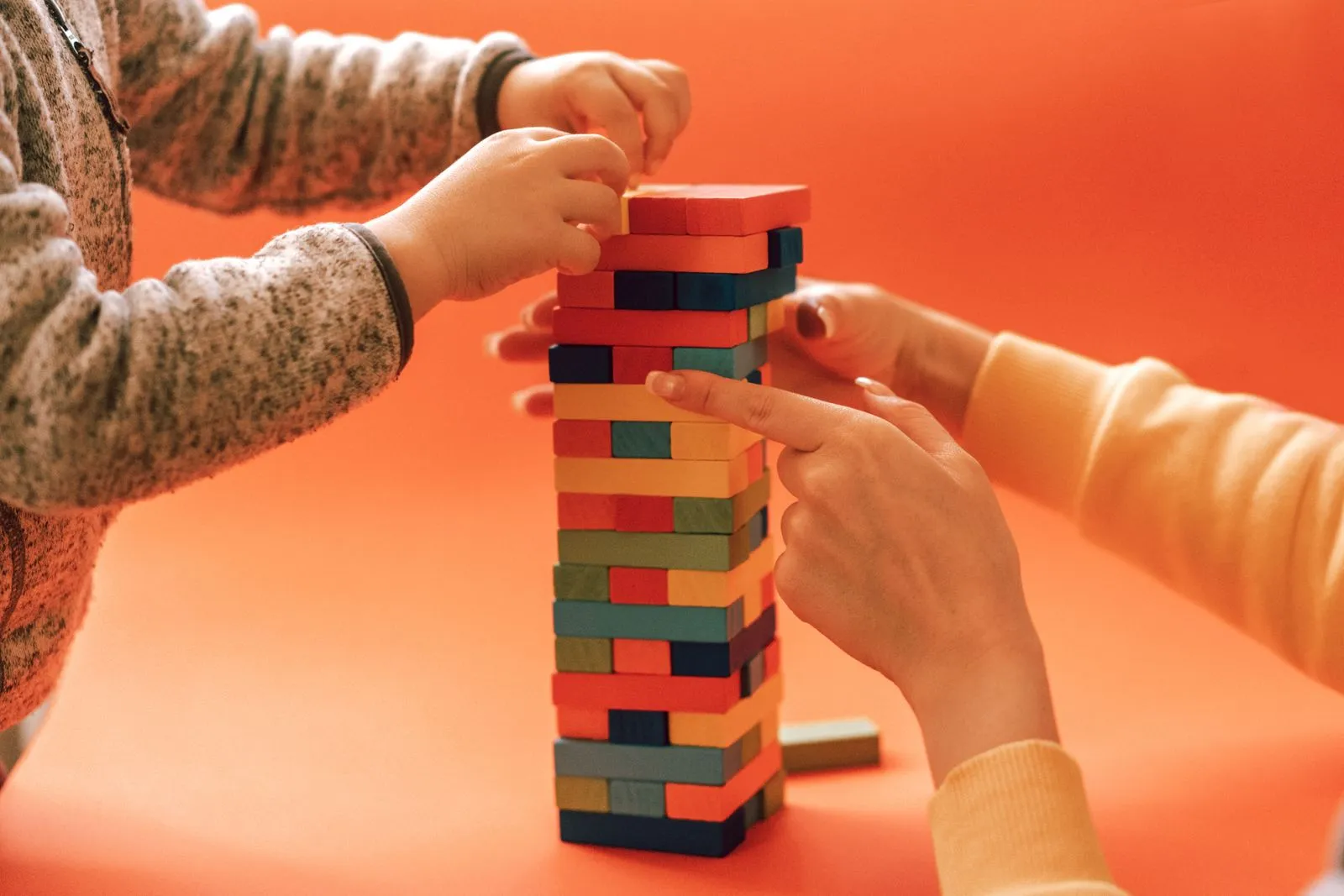
The door of the room closes, and an hour later the child comes out, sometimes cheerful, sometimes tired. What happened inside? Many parents ask themselves this, especially at the start. Some imagine a child sitting at a table the whole time. Others, an hour of play with no clear purpose. Most of the time, an ABA therapy session is neither.
Every centre and every therapist works a little differently, and your child's session follows the plan made for them. Here, though, is what a session usually looks like, from arrival to departure.
Arrival
The session really begins at the door. The therapist greets the child, and you have a minute to say what is new: how they slept, whether they have a cold, whether anything happened at home. This information matters. A tired child may need more breaks that day.
Play from the start
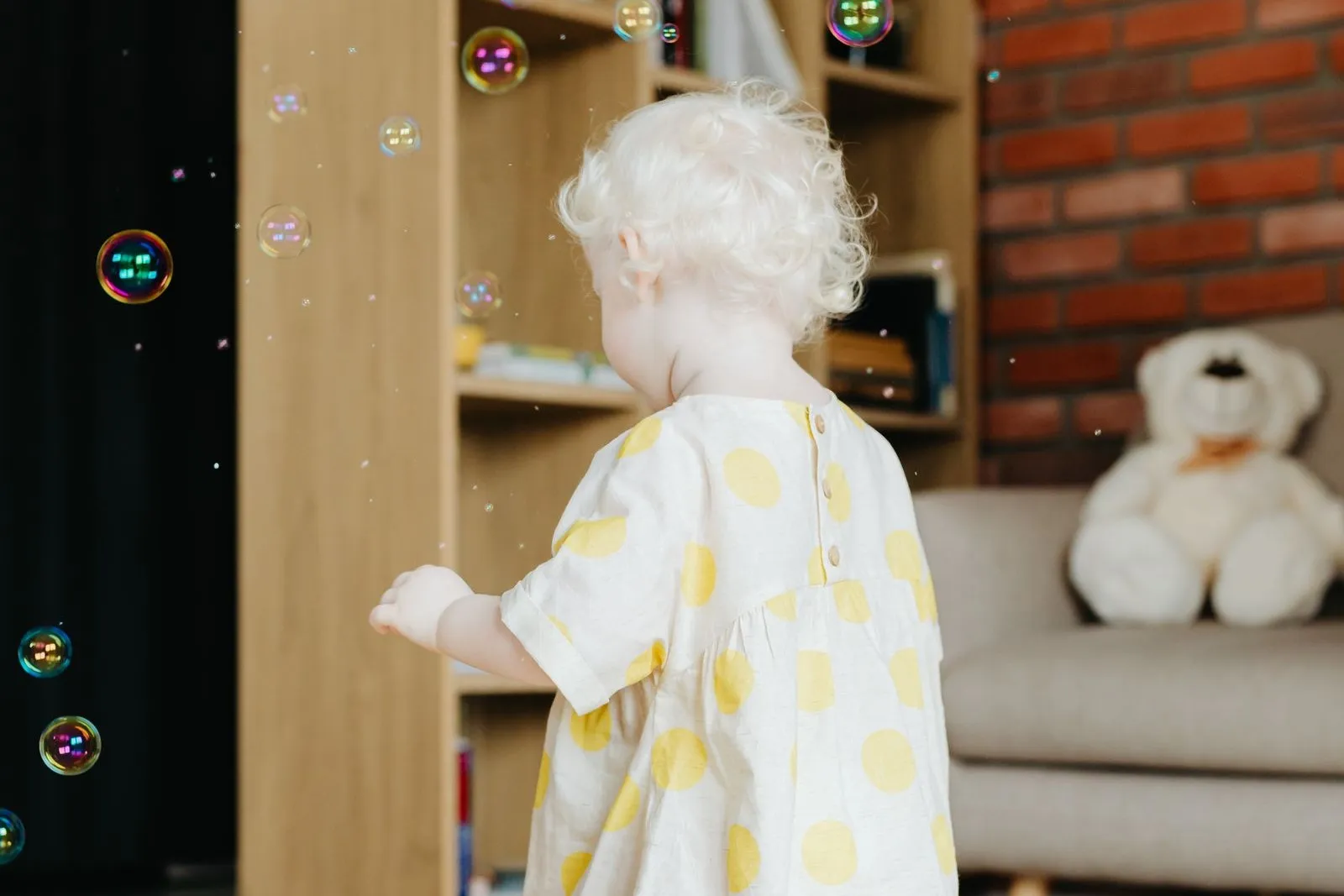
The first minutes are often play. The therapist sees what draws the child in today: soap bubbles, a toy car, a song. Children's preferences change from day to day, so the therapist checks often what motivates them. Many times, the child chooses for themselves from a few options.
Play has a precise role. The things the child enjoys will become rewards for their effort, and the therapist becomes someone it is pleasant to spend time with.
Learning, in small steps
A large part of the session is practising the targets in the plan. They can look two ways, often combined:
- At the table, in short trials: the therapist asks for something simple, for example "show me the car" or "put the block in the box", the child responds, and the therapist reacts. Then again, with small variations.
- In play, in natural situations: the child wants the ball from the shelf, and the therapist helps them ask for it. Or, in a game with toy cars, the child practises waiting their turn.
Tasks are short and change often, so the child stays engaged. Easy ones are mixed with new ones, so there are some sure successes too.
Help and reward
When the child is learning something new, the therapist helps them: guiding their hand, pointing, saying the first sound of a word. As the child succeeds, the help is gradually withdrawn, until the child does it alone.
A good response is followed by a reward: praise, a few seconds with a favourite toy, another soap bubble. Rewards are chosen based on what the child likes, not what adults think they should like. Over time, the therapist relies more and more on natural rewards, such as a smile, or even the toy the child asked for.
Breaks and hard moments
A session has breaks, especially for younger children. Some children learn to ask for a break themselves, with a word, a sign or a picture. For some, this is even one of the targets: to say "I can't do any more" in a way adults understand.
Refusal or upset are also part of a session, and they say something: perhaps the task is too hard, perhaps the child is tired. The team has a plan for such moments, made for your child, and you can always ask what it looks like and why.
Why the therapist writes so much
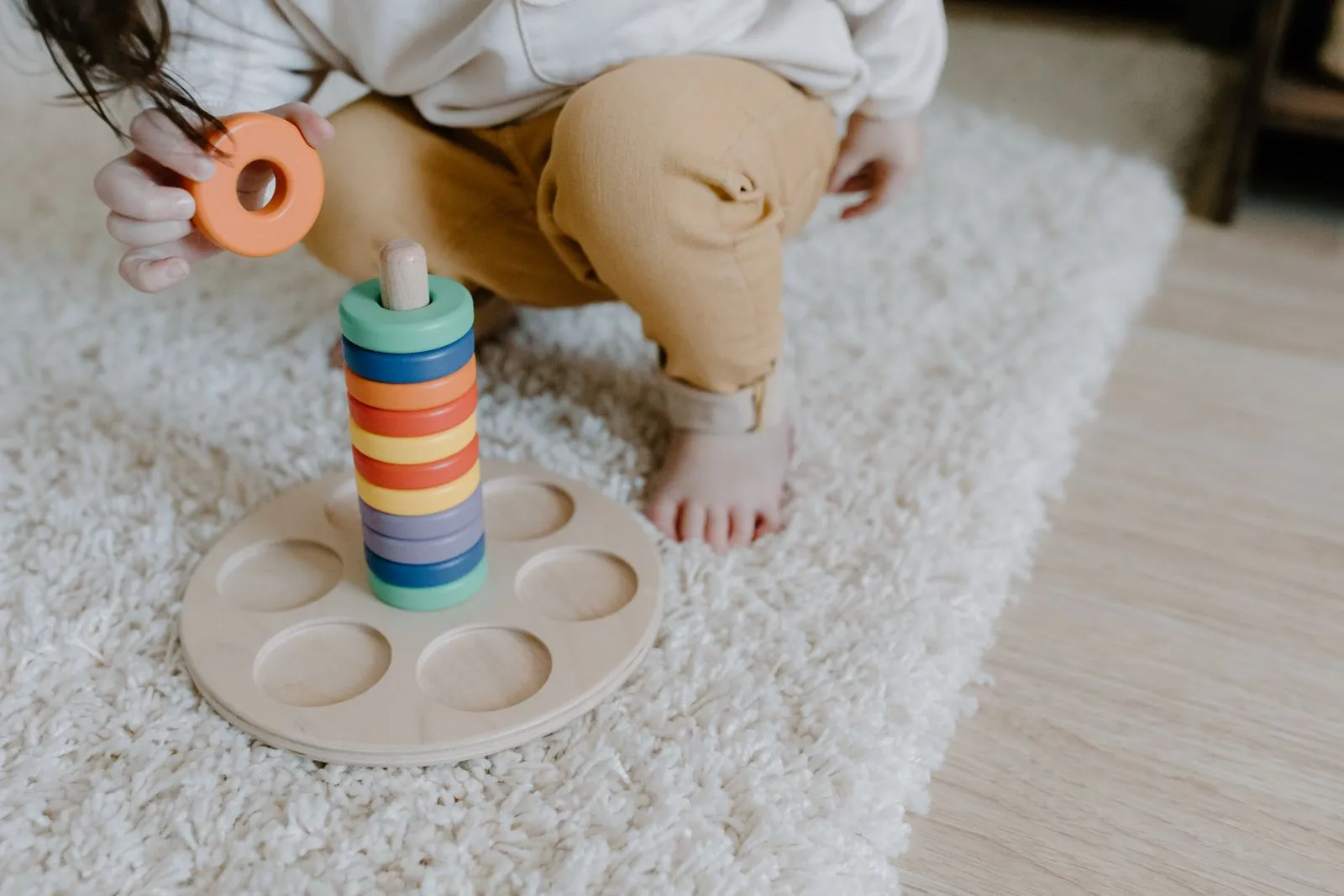
You may see the therapist noting something after almost every trial. They record whether the child succeeded alone or with help, and how much help they had. From these notes, session to session, the team sees what is working and what needs to change. Without them, progress would stay just an impression.
Departure
At the end, the therapist tells you briefly how it went: what worked, what was hard, perhaps something to try at home. If you do not have time at the door, ask how you can find out later.
Can you watch?
It depends on the centre and the child. Some centres invite parents to watch part of the session, from the room or through a window. Others prefer the child to work alone with the therapist at first. Ask the team what suits your child. A few minutes seen with your own eyes help you use the same words and the same kind of help at home.
In TempoApp
In the parent portal in TempoApp, you see the programmes worked on and the progress for each session, and the voice notes and short videos the therapist chooses to share show you how your child worked.