Generalising: how skills move from the therapy room into a child's life
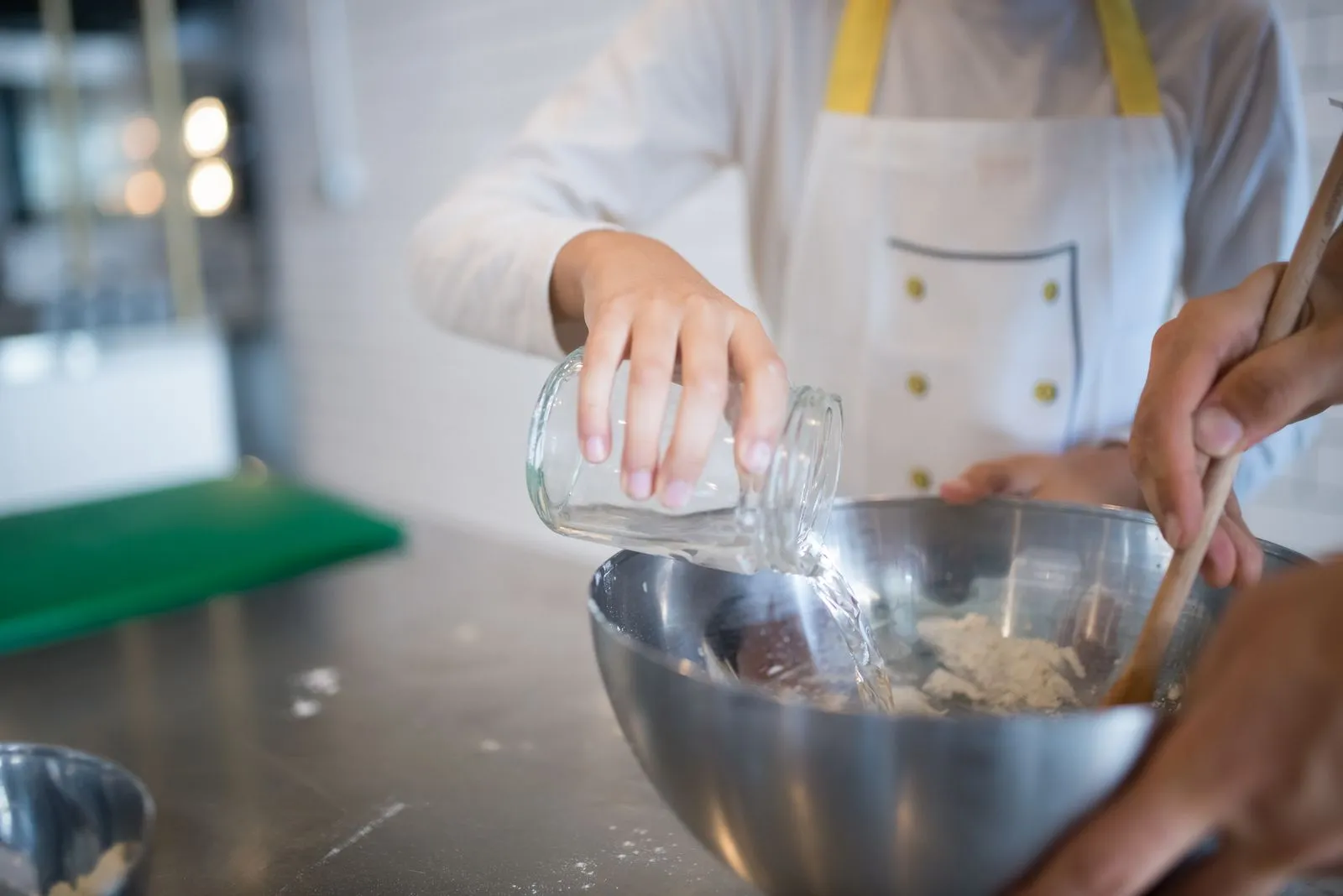
A 4-year-old boy says "water" every time the therapist holds the cup on the table in the therapy room. At home, when he is thirsty, he pulls his mother by the hand towards the kitchen. At nursery he cries next to the sink. The skill exists, but it has stayed in the therapy room, tied to one person, one table and one particular cup.
Generalisation means the skill appears outside the conditions in which it was taught: with other people, in other places, with other materials, and after direct work on it has ended. For the child and the family, that is when it really starts to matter.
Generalisation does not happen on its own
For some children, a skill learned in the therapy room shows up at home quickly. For many others, it does not. That is why generalisation is planned from the start, not checked only at the end, after the objective has been ticked off as achieved.
A simple rule: if you want the skill to appear in a situation, that situation needs to be part of the plan.
Four directions to track
- People: the child responds to another therapist, a parent, a nursery teacher, not just the person who taught them.
- Places: in another room at the clinic, in the corridor, at home, in the park, at nursery.
- Materials and instructions: recognising the dog in several pictures, in different books, in toys and in the street. Responding to "what do you want?", but also to "tell me what you need" or to a questioning look.
- Time: the skill stays even after it is no longer worked on daily. This is usually called maintenance, and is checked separately.
A fifth sign is worth tracking too: the child uses the skill in forms they have not practised. A child who learned "want ball" and one day says "want car" shows exactly this kind of progress.

How you teach with generalisation in mind
- Vary the materials: several pictures, several objects, not a single card used week after week.
- Vary the wording: if the instruction is always the same, the child may learn the phrase, not the skill.
- Move the work into natural situations: a request practised at snack time, at play, on the way out, not only at the work table.
- Use consequences that exist in real life too: a child who asks for the ball gets the ball. At home, the ball will still be there.
- Involve more adults: a colleague who takes a few trials a week, a parent invited in at the end of the session.
How much you vary, and from what point, remain decisions for the therapist and the person coordinating the case. For some children, variation is introduced gradually, once the skill has settled under simple conditions.
How you check
A skill can look very good in the data from the therapy room and still be missing elsewhere. To find out, you check directly:
- Check trials: a few attempts with a new person, new materials or a new place, with no help and without teaching on the spot. What happens there tells you whether the skill has generalised.
- Observations from home and nursery: ask specifically, "did he ask for water at home this week? How?", not just "how is it going?".
- Maintenance checks: a few weeks after the objective has been reached, you return to it briefly.
Record these checks separately from the programme's usual data. If you mix them together, you no longer know what was taught and what appeared on its own.
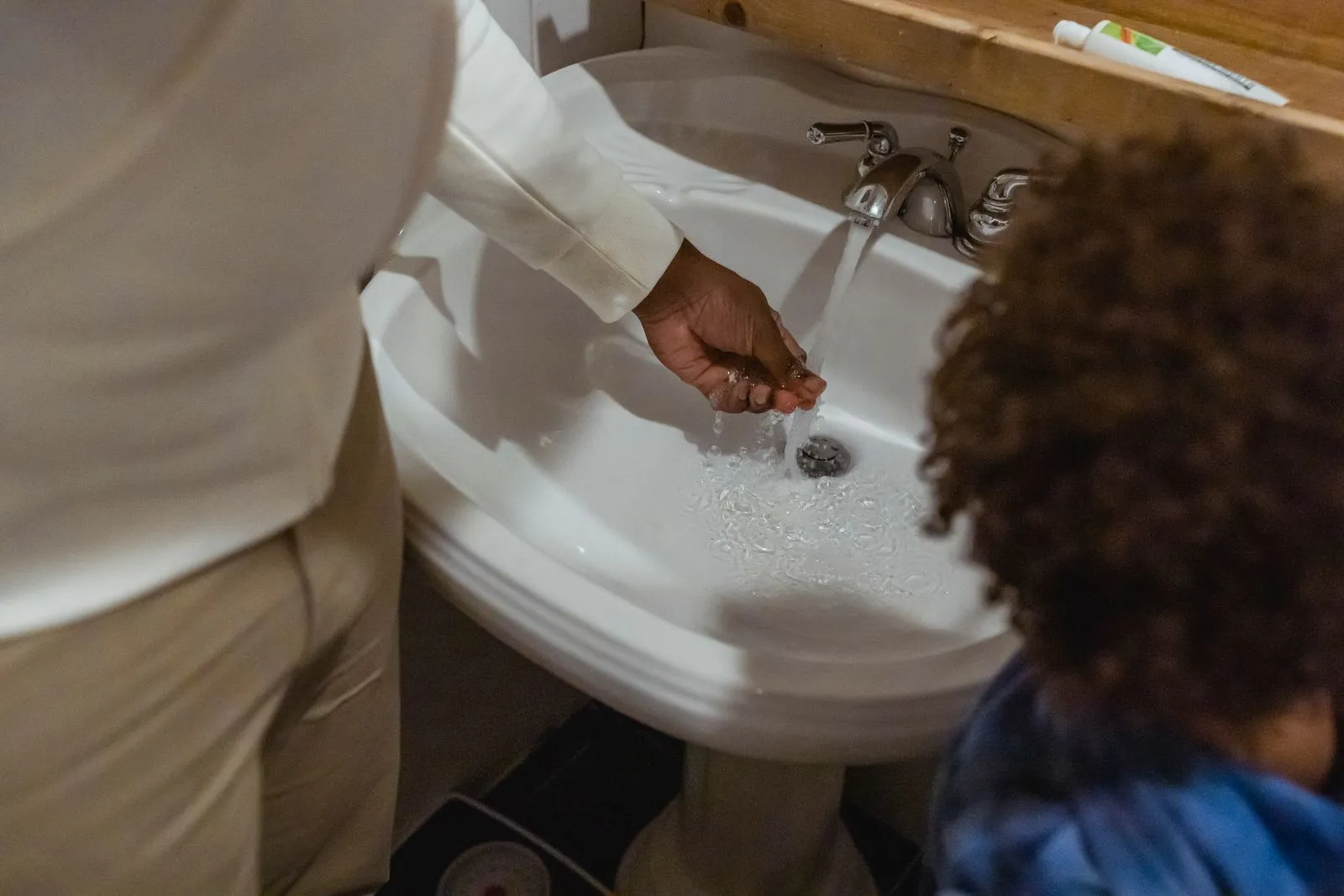
Generalisation written into the objective
Many teams write generalisation directly into the objective. Not "asks for water using a word", but "asks for water using a word, with at least two different adults, in two different places". An objective written this way cannot be ticked off as achieved on the basis of therapy room sessions alone.
When a skill appears in the therapy room but not elsewhere, the objective stays in progress. The team decides what to change: other materials, other people, more opportunities in the daily routine.
The family's part
Parents see the child in most situations. They can say whether a skill appears at home, and can create opportunities for it, with short pieces of homework tied to the daily routine. Explain why it matters, not just what to do: "we want to see if he asks you too, not only me."
And when a skill does not appear at home, it is not the family's fault. It is information for the plan.
In TempoApp
In TempoApp, the objectives in the intervention plan are linked to programmes and have a status: Not Started, In Progress or Achieved. Homework reaches parents in the portal, and the family can write to the therapist, in messages, about what they noticed at home.