How to follow your child's therapy from home
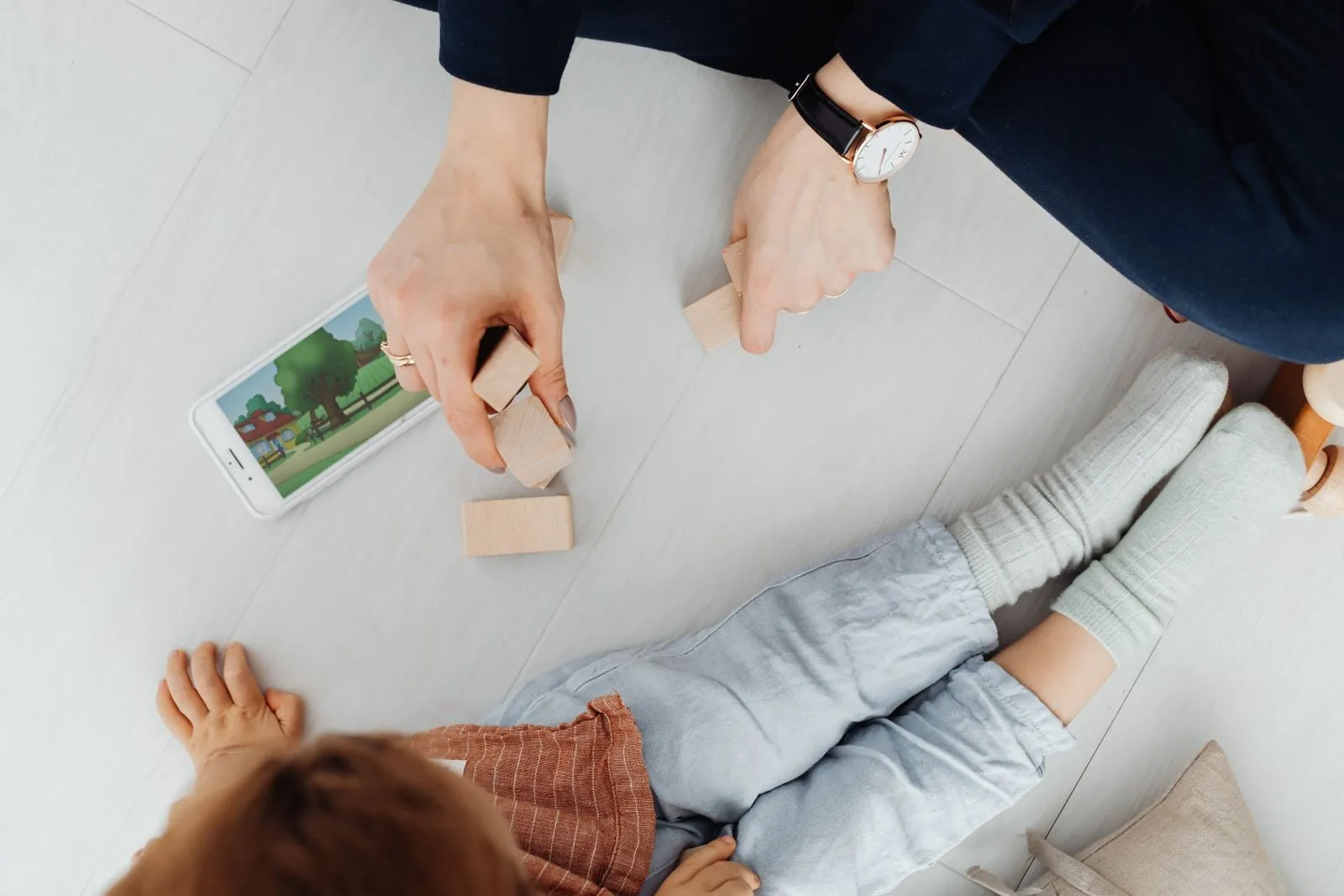
Your child spends a few hours a week in therapy and the rest of the time at home, with you. What is worked on in the therapy room has the best chance of sticking when it continues in everyday life too: at the table, at play, at bedtime.
To help, you need to know what is being worked on and how it is going. Here is how you can follow therapy from home, without becoming a therapist and without getting lost in detail.
After each session: three things to find out
You do not need a full report after every session. Three pieces of information are enough:
- What was worked on today: which goals or programmes the child worked on.
- How it went: was it a good day, a tiring one, did something new come up?
- One thing to practise at home: a sentence, a game, a routine.
If you are not given this information as a matter of course, ask for it. Most therapists welcome an interested parent.
Progress, not the impression of one day
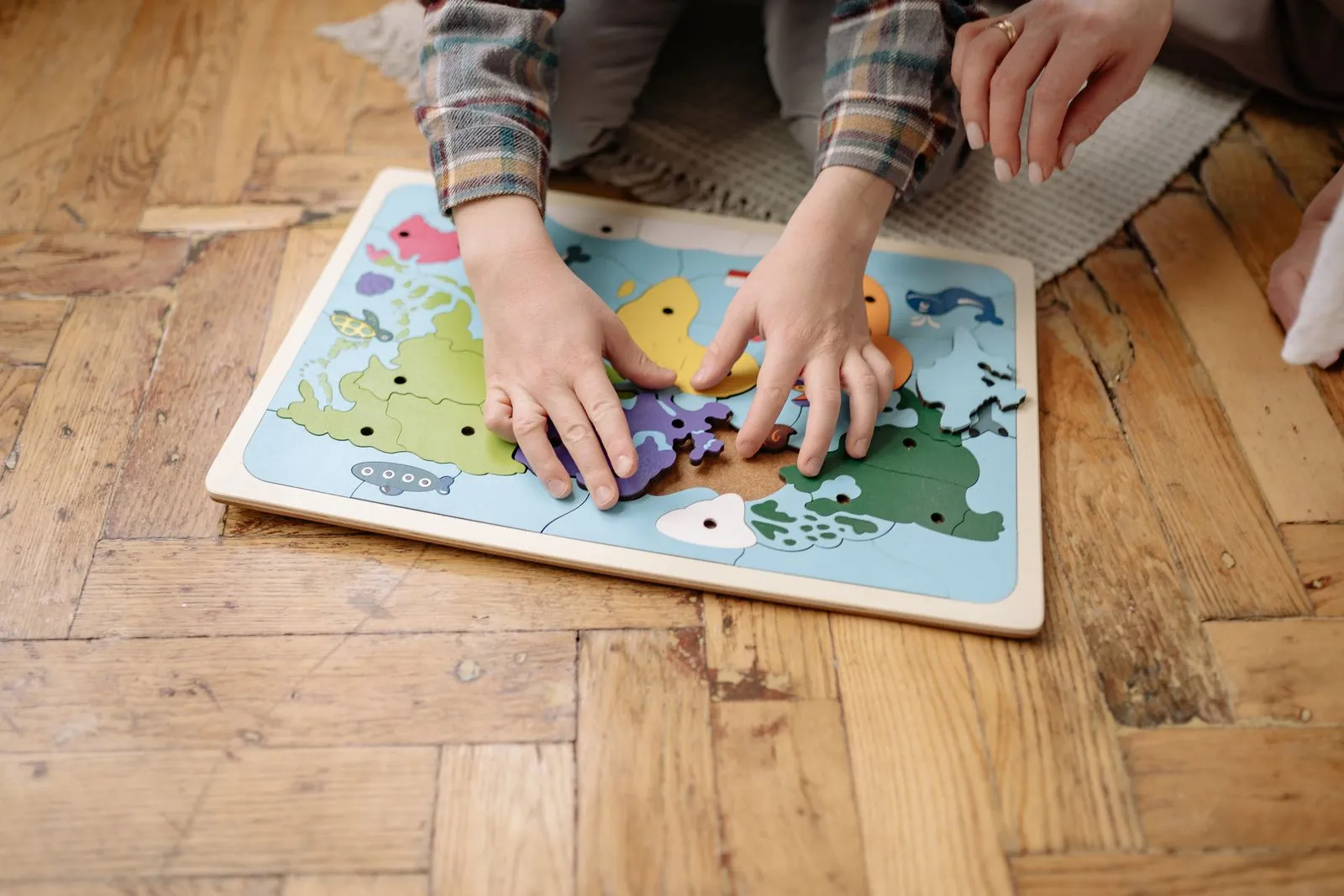
Every child has good days and harder days. A session where the child was tired does not mean a step backwards, just as a very good day does not mean the goal has been met.
Progress shows over time, from one week to the next. Ask the therapist how each session is scored and ask them to show you how things have developed over a few weeks. A simple chart or a list of levels reached tells you more than any impression.
Monthly reports
Many centres send a monthly report. Read it with a pen in hand and note down your questions:
- Which goals have moved forward and which are stuck.
- What changes next month: new goals, a different pace, a different approach.
- What you can do to support the plan.
The report is a good reason for a short conversation with the therapist or coordinator, once a month.
Homework
Homework should not turn your home into a therapy room. The best tasks are short, concrete, and tied to your own routine: a word asked for at breakfast, a five-minute game before bath time.
Tell the therapist what worked and what did not. If a task does not fit your family's life, it can be changed. A task done a little, but every day, helps more than a perfect one done once a week.

Talking with the therapist
- Messages are for practical things: an absence, a quick question, an observation from home.
- Bigger subjects deserve a conversation: worries, changes in behaviour, wanting to change something in the plan.
- Say what is changing at home: disturbed sleep, an illness, a house move, a new sibling. All of these can affect sessions.
- Ask when you do not understand a term: therapists sometimes use specialist words out of habit. You are owed a simple explanation, and your question helps them explain more clearly too.
Voice messages and clips from sessions
Some centres send parents a short voice message or a clip of a few seconds from a session, for example the moment the child managed something new. These are very useful, because you see exactly how the work is done and can repeat it at home. Recordings are only ever made with your consent and stay private, between you and the team working with your child.
A portal for parents
All of this is easier to follow when it lives in one place. In TempoApp, centres give parents a portal on their phone, with a code from the centre:
- the child's schedule and, for each session, attendance, the programmes worked on, progress and notes;
- the voice messages and clips the therapist chooses to send;
- progress over time, for each therapy, and the monthly reports;
- homework, messages with therapists, and invoices.
In closing
You do not need to know everything the therapist knows. It is enough to know what is being worked on, to see how your child is progressing, and to bring home one small thing, every week. Together with the team, that is what makes the difference.